Emotion Focused Therapy makes clinical sense.
Applying it in the room is where the real learning begins.
EFTSkills helps therapists recognise emotional markers, track emotional process, and choose the right task as the session unfolds.
Created by Aaron Lerch
Clinical Psychologist · Certified EFT Supervisor, ISEFT Level D · Over 25 years of clinical experience
About Aaron and EFTSkills →Knowing EFT is not the same as using it in the room
You may understand the model and believe in the approach. But when a client says something painful and the emotional process shifts, the clinical questions arrive quickly.
What marker is emerging? Does this moment need deepening, regulation, exploration, or a change of task?
That precision develops through repeated exposure to real clinical moments. EFTSkills was created to help therapists move from understanding the model to making grounded, moment-to-moment clinical decisions.
Built by a clinician, for clinicians.
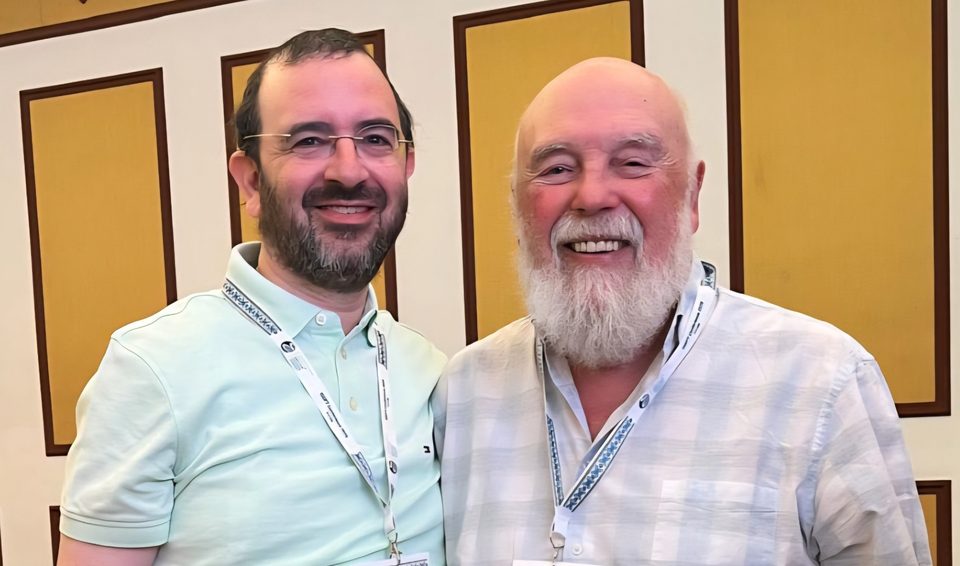
Aaron Lerch with Dr Leslie Greenberg, developer of Emotion Focused Therapy
Aaron Lerch is a Clinical Psychologist and Certified EFT Supervisor, ISEFT Level D, with more than 25 years of clinical experience. He created EFTSkills to bridge the distance between Emotion Focused Therapy theory and the moment-to-moment decisions therapists make in real sessions.
EFTSkills is grounded in established EFT principles and has been developed in consultation with Dr Leslie Greenberg.
What clinical precision actually requires.
Three interrelated capacities sit at the centre of effective EFT practice.
Recognise Emotional Markers
Notice the emotional signals that indicate what the client is struggling with and what therapeutic process may now be possible.
Track Emotional Process
Understand where the client is within the unfolding emotional process, rather than responding only to the content of the conversation.
Choose the Right Task
Select and adapt experiential tasks according to the marker, emotional state, client capacity, and direction of change.
These aren't concepts to understand once. They're capacities that develop through deliberate, repeated practice.
Clinical confidence grows as these capacities become faster, more flexible, and more integrated.
New here? Begin with the practical EFT learning roadmap — a stage-by-stage guide from emotion theory to moment-to-moment clinical decisions.
Follow the EFT Learning Roadmap →What is Emotion Focused Therapy?
Emotion Focused Therapy is an experiential psychotherapy that helps people understand, regulate, experience, and transform emotion. Rather than treating emotion only as a symptom, EFT views emotion as a source of information about needs, meanings, relationships, and action tendencies.
EFT therapists learn to recognise emotional markers and use processes such as focusing, chair work, empathic exploration, and emotional transformation. EFTSkills concentrates on the practical question that follows the theory: how does the therapist recognise what is happening and respond skilfully in the moment?
How EFTSkills Supports
Clinical Practice
Every tool on EFTSkills is designed around one question: what does a therapist need in the moment emotional process unfolds?
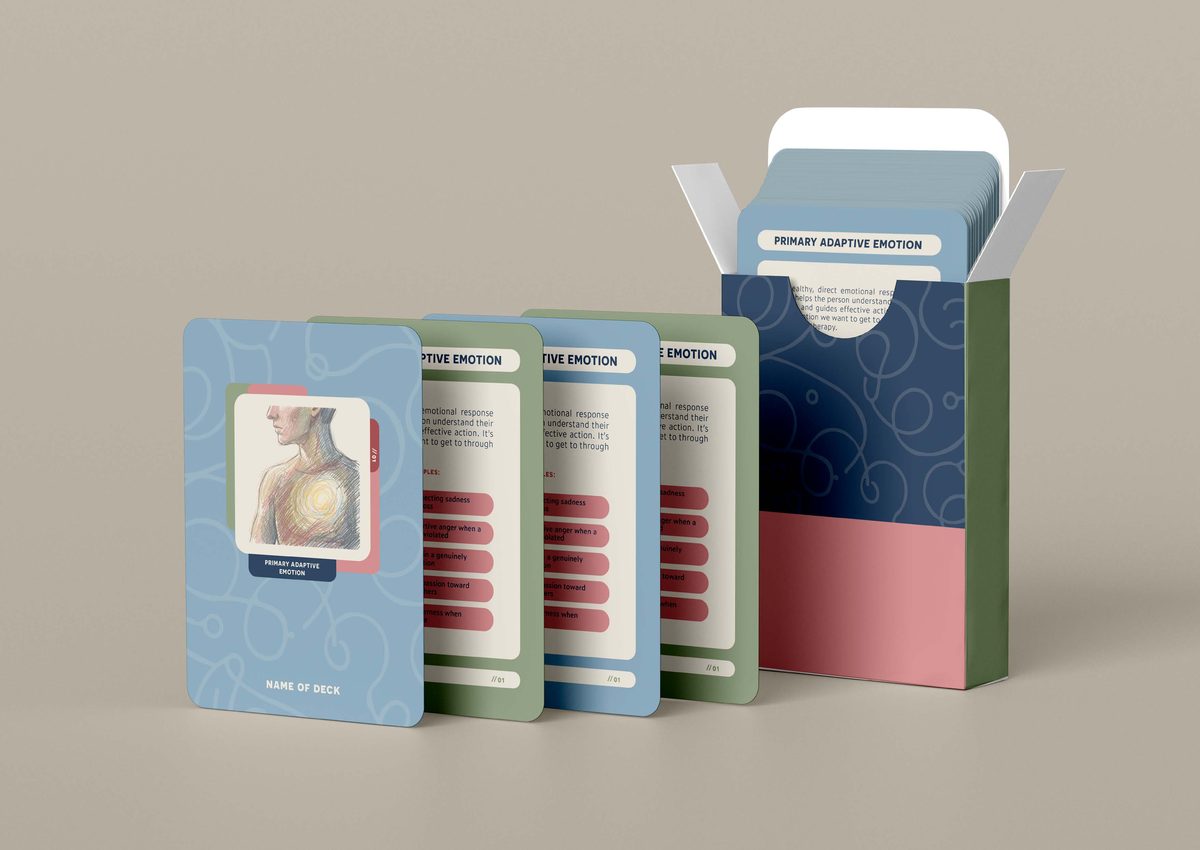
The EFT Clinical Process Card Deck
A practical reference for staying oriented as the emotional process shifts under clinical pressure.
The Card Deck maps the emotional process as it unfolds, helping you recognise markers, orient towards appropriate tasks, and make grounded clinical decisions in real time.
Use it between sessions for deliberate practice, during case formulation and supervision, or as a visual reference while developing greater process sensitivity.
- Identify emotional markers at a glance
- Match the right task to the right moment
- Stay oriented under clinical pressure
- Built for real sessions, not theory
Created by Aaron Lerch and developed in consultation with Dr Leslie Greenberg.
Used by therapists across 30+ countries.
What Colleagues Say
"I had the opportunity to observe Aaron's clinical work and was struck by his precision, steadiness, and emotional attunement. His ability to articulate what he is doing — and why — reflects a deep and thoughtful integration of theory and practice. He is not only an excellent clinician, but also a genuinely supportive and effective mentor."
Free Guide
Where does clinical confidence begin to waver?
Five Marker Confusions in Emotion Focused Therapy
Marker recognition is a common point of uncertainty in EFT practice. This concise guide explains five distinctions that can sharpen your clinical understanding and help you respond more deliberately.
Download the Free GuidePrecision matters more than simply following a protocol.
Precision in the Moment
Focus on the exact moment emotional process changes and a clinical decision becomes necessary.
Skill Before Script
Develop emotional attunement, process sensitivity, and flexible task use rather than relying on rigid intervention phrases.
Deliberate Practice
Build clinical confidence through repeated exposure, reflection, comparison, and refinement.
EFTSkills complements formal EFT training, certification, and supervision. It does not replace them.
Explore the Foundations of Emotion Focused Therapy →Practical EFT insights, directly to your inbox
Receive applied reflections on emotional markers, process tracking, experiential tasks, and in-session decision-making—along with early access to new EFTSkills resources.
No spam. Unsubscribe at any time.
Further clinical reading
Selected articles from the EFTSkills Learning Hub for therapists deepening their clinical practice of Emotion Focused Therapy.